Why your bin day changed this autumn
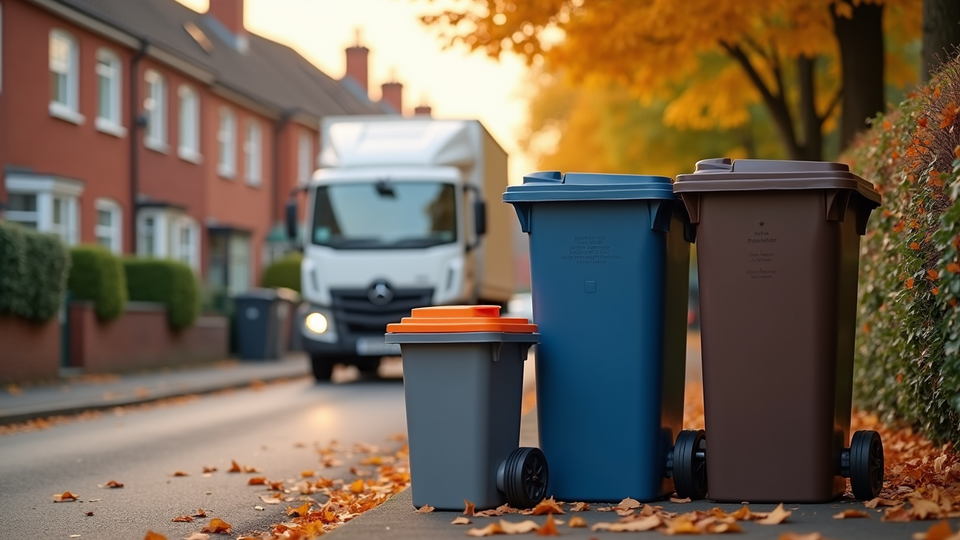
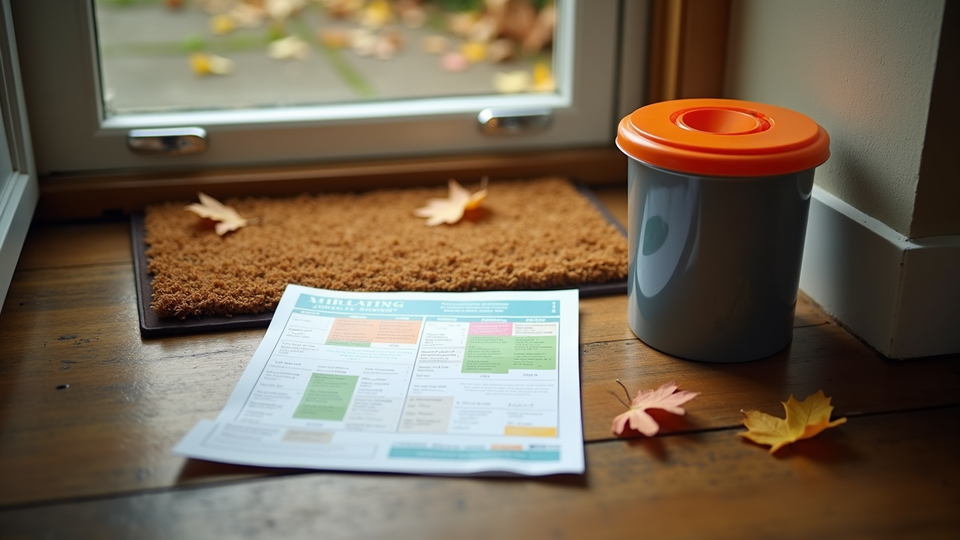
If a leaflet landed on your doormat in the last few weeks telling you your bins are changing, you're in good company. September and October 2026 have been the busiest stretch for collection changes I've seen since I started building Binformation. New caddies, new bins, new rounds, new days. In a few places, a black bin that now turns up half as often.
Almost all of it traces back to one deadline that a lot of councils didn't make in the spring.
The spring deadline that slid into autumn
Under Simpler Recycling, every council in England was meant to be collecting food waste weekly from every household by 31 March 2026. At least 79 councils told the BBC they wouldn't make it. Most of them said they'd get there by the end of 2026, and 31 had formal agreements with DEFRA for a later start.
The reason given most often was lorries. Food waste needs its own small vehicles, and every council that didn't already have them ordered them in the same window. Manufacturers couldn't build them fast enough. So the rollouts that should have happened in spring got pushed into the second half of the year, and a lot of them landed in the same few weeks.
Some examples from the last two months:
Crawley started weekly food waste on 28 September for every household with its own bins. At the same time, the general waste bin went from weekly to fortnightly, emptied on the opposite week to the red-top recycling bin. Crawley's own figures say about 44% of what was going in general waste was food, which is the whole argument for the switch in one number. Flats with shared bins stay on weekly rubbish without food waste until 2027.
Adur and Worthing began a phased rollout in September. Households were sent a kitchen caddy and a 23-litre grey outdoor bin with an orange lid. Collection days don't move there: food goes out on the same day as either recycling or general waste. Anyone who wasn't contacted in August is in phase two, and the dates for that hadn't been published at the time of writing.
Sevenoaks made a bigger jump. Most homes moved from sacks and reusable bags to wheelie bins on 12 October: a 240-litre green-lid bin for recycling and a 180-litre black bin for general waste, collected on alternate weeks. Food waste carries on weekly. The green reusable recycling bags are no longer emptied, and anything left beside the bin won't be taken. If your bin hasn't arrived, the council says delivery is currently taking at least 10 working days from when a request is accepted.
Tendring changed what goes in the box rather than when it's collected. From Monday 5 October, the green box takes glass bottles and jars, cartons, and plastic pots, tubs and trays. The red box carries on for paper and card. Plastic film is due in 2027, in line with the national timetable.
And the ones that pressed pause
Not everyone launched. Cheshire East had planned weekly food waste and a move to three-weekly black bins for this autumn. In early October it postponed both to early 2027. The reasons, as reported by Congleton Nub News, were shortages of HGV drivers and loading staff plus vehicle breakdowns, which had already pushed up missed collections on the existing service. Councillor David Jefferay said crews and vehicles were ready to start in November, but launching now would put more pressure on the wider operation. "This is a postponement and not a cancellation," he said.
I think that's the right call, for what it's worth. A new service launched on top of a struggling one tends to make both worse. But it does leave residents with caddies they can't use yet, and a lot of third-party websites still saying "autumn 2026".
North Norfolk announced back in March that its food waste service won't start until February 2027, for the same vehicle supply reasons. Expect more of these.
Fewer black bin collections
Here's the part people notice most. Once food waste is collected weekly, a lot of councils reduce how often they empty the general waste bin. The logic is that the heavy, smelly stuff is now going in the caddy, so the black bin can wait longer.
Crawley's weekly-to-fortnightly change is the gentle version. The stronger version is three-weekly. West Berkshire has emptied black bins every three weeks since September 2025. Babergh and Mid Suffolk moved to a three-weekly cycle in June 2026. Midlothian went three-weekly in March, and Blackpool agreed to do the same from spring. Cheshire East's version is now tied to its delayed food waste launch and won't happen until that starts. A Yahoo News UK count last autumn found 34 UK councils already collecting general waste every three weeks, with 10 more planning to join them by mid-2026. Most councils are still fortnightly, but the direction is clear.
On a three-weekly cycle, one missed round means six weeks between black bin collections.
My honest view: three-weekly works if the food waste service is reliable and the household is actually using the caddy. It is much harder on large families, households with nappies, and anyone whose council has a small black bin. If that's you, ask your council whether it offers a larger bin or a separate collection for nappies and hygiene waste. Some do, and it's rarely mentioned on the leaflet.
New days, not only new bins
Adding a food waste round means a council has to redraw all its routes, and once you're redrawing routes you might as well rebalance the whole thing. That's how people end up with a different bin day even when nothing about their bins has changed.
The clearest example this month isn't in England at all. Armagh City, Banbridge and Craigavon in Northern Ireland is running a borough-wide route optimisation, and collection days may change from the week starting Monday 26 October. That's this week. Over 91,000 households were due a leaflet with a new six-month calendar, posted between 5 and 15 October. The bins themselves stay fortnightly, but the council warns some homes will have a longer gap than usual between collections during the changeover.
That changeover gap is where most of the trouble happens. Your old schedule says Tuesday, the new one says Thursday, and for one week you can't tell whether your bin is due at all. If you put it out on the old day, it might sit there. If you wait for the new day, you might find your round has already been and gone.
What to check if your collections are changing
Find the leaflet. Then check it against your council's online lookup, because leaflets get printed weeks ahead and routes sometimes move again before launch. If the two disagree, the online lookup is usually the more recent of the two.
Look at the first two weeks after the change date specifically. That's where the extended gaps and one-off dates live, and it's the bit most people skim past.
Check the side waste rule. Councils moving to wheelie bins or less frequent collections nearly always stop taking extra bags left beside the bin. Sevenoaks says so outright.
If a bin is missed in the first few weeks, report it. Councils use missed collection reports to find problems with new rounds, and a round that's genuinely too long won't get fixed if nobody tells them. There's more on that in what to do when your bin is missed.
Where Binformation fits in
Binformation reads your council's published collection schedule and refreshes it every day. When a council switches to new rounds, the app picks up the new dates as soon as the council's own online lookup shows them. A new "Food waste" line appearing, or the black bin dropping to every third week, is the change reaching your address.
The catch is the same one you have with the council website. If the council updates its lookup late, or publishes the new dates only on a PDF until launch day, the app sees the old schedule until then. During a changeover I'd trust the leaflet for the first week and the app after that. If the app still shows the old days a week after your change date, email me with your council's name. It usually means the council has changed its website as well as its rounds, and the lookup needs fixing at our end.
 Get Binformation — Free on Google Play